Victor Albert LISTER
62553, Private. b. 1900, Clayton d. Sat. 20th July 1918 (aged 18).
Victor was born in 1900 and the 1901 census shows the family, with father Harry and mother Harriett living at 3 Patchett Buildings. By 1911 the family have been joined by son Norman aged 4 and their father has left the worsted mills and is working as an Electric Car Driver for the council, probably the early electric tram cars. They are living at 11 New House Lane in Clayton Heights.
One of Clayton’s youngest soldiers to die on active service, Victor had been at the front for just a few weeks before he was killed. He was conscripted into the K.OY.L.I’s (the same regiment as Lawrence Briggs) in late 1917 and joined the 2nd/4th Battalion. After his training he was hastily sent to the trenches, where the British Commanders were keen to send every available man they could spare into a final push to finish the weakening, half-starved German forces.
By this time, Germany and its people were virtually on their knees and had long since run out of most of the essential food items required for a balanced diet. The German troops were in a similar way, and by this point most had realised the futility of the war they were fighting as defeat was looming ever closer. Most longed to be at home with their loved ones, and away from the filth, the stench and the decay that was ever present in the trenches. Their last gasp of strength had been used in their near decisive Spring Offensive, and now as supplies became scarcer and scarcer most were not prepared to put up anything like a spirited fight towards the British or the French. The British Generals were counting on this and, when they launched the Battle of the Aisne and Marne in late May 1918, they were not proved wrong.
Unfortunately losses still gradually mounted as some Germans retained the will to fight and held most of the best made trenches on the Western Front, with the best positions (this was the aim of the Hindenburg Line in the first place) but on the whole the British continued to surge slowly forwards.
Victor died about half way through this offensive on the first day of the Battle of the Marne, when British troops pushed forwards for the first time at the Hindenburg line, only to be cut down as it’s defences were still solid.
It is possible that Herman Laycock was also somewhere near to Victor’s position, as his gun team’s role was to attempt to break down the fortifications, so Victor’s battalion and many others like it could break through. It would be over three weeks before this could finally be achieved.
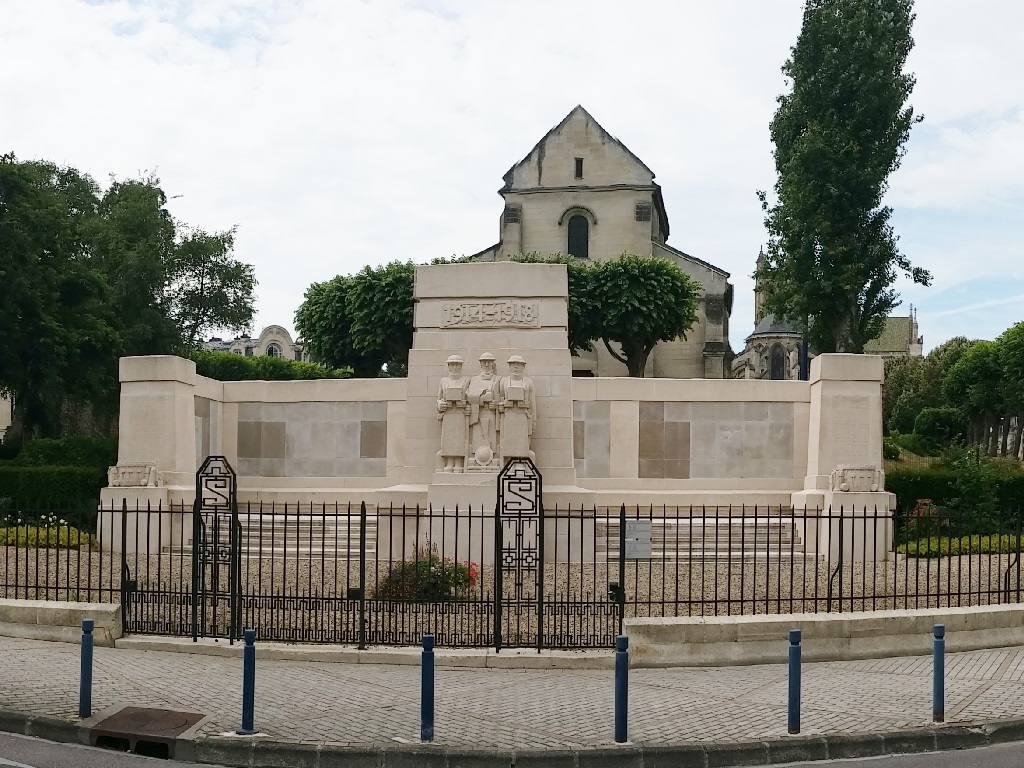
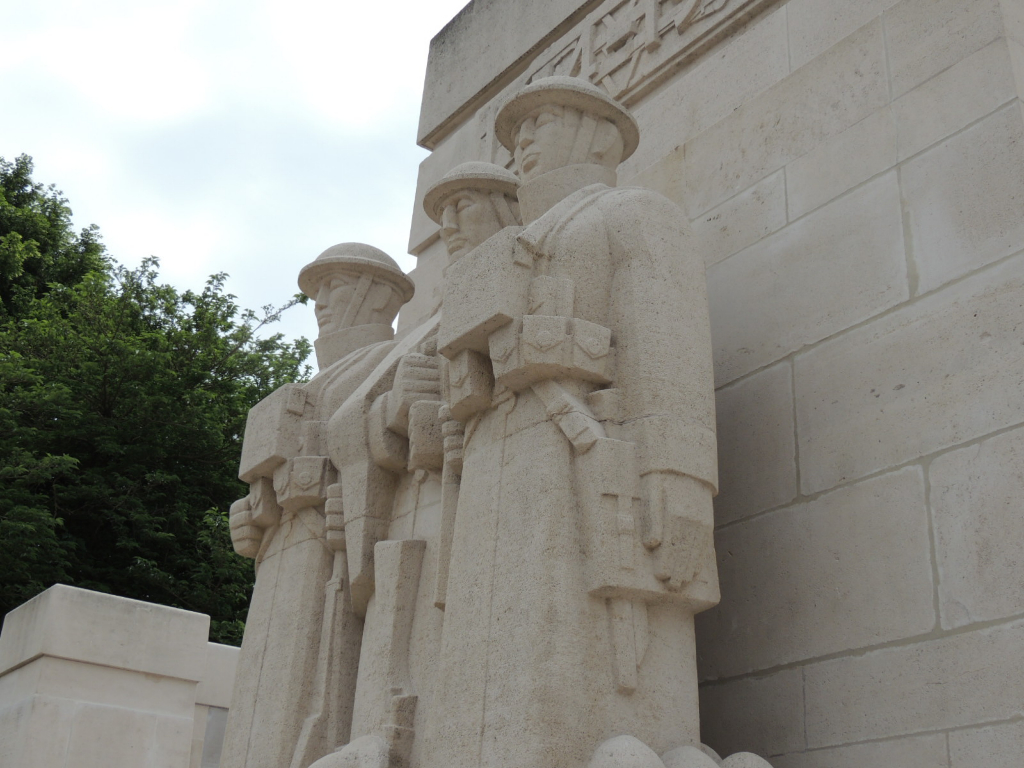
Victor is commemorated at the Soissons Memorial, Aisne, France.
 Clayton Remembers