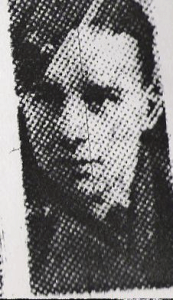
Jack RUSHWORTH
1029669, Leading Aircraftsman. b. 1920, Bradford d. 23rd March 1944 (aged 23).
Another Clayton man by birth, Jack was born just after the First World War had come to its end. Little did anyone realise that this new generation would in time have to fight for their country just as their fathers had to do before.
Jack was conscripted before turning 21 and after training was placed in 969 Squadron of the Auxiliary Air Force and given the rank of Leading Aircraftsman. The squadron was based around Barry, Vale of Glamorgan. Its primary function was to operate the vital barrage balloons that flew over Britain’s coastline and city boundaries to protect them against bombing raids.
The squadron was formed in July 1940 and between then and December 1943 operated 14 balloons. After that point the squadron was disbanded for six months before being re-formed in June 1944 in Great Yarmouth as part of the 23rd Balloon Centre operating anti-diver duties (against the Stuka dive bombers).

Jack died during this six-month disbanded period, so it is difficult to pinpoint exactly what he was doing. A clue can be found in his place of commemoration because he is remembered on the Runnymede Memorial for the missing. This is normally only for men who died in battle (e.g. a bombing raid).
High Speed Launch Crew
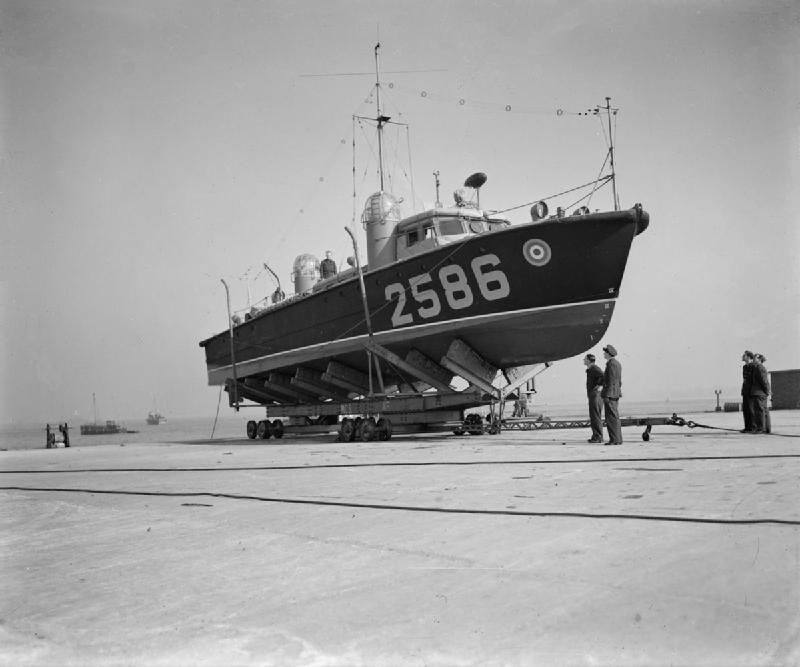
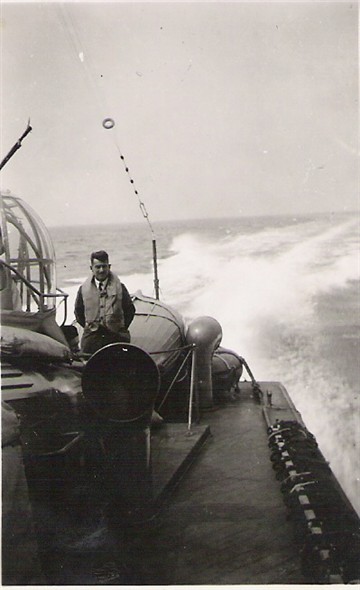
The cause of his death has come to light sixty years later on the ‘RAF Commands’ forum. After his squadron was disbanded, Jack, along with the rest of his unit was assigned to the High Speed Launch (HSL) Group, a unit of lightweight and fast boats used to rescue downed aircraft in the channel.
Friendly Fire
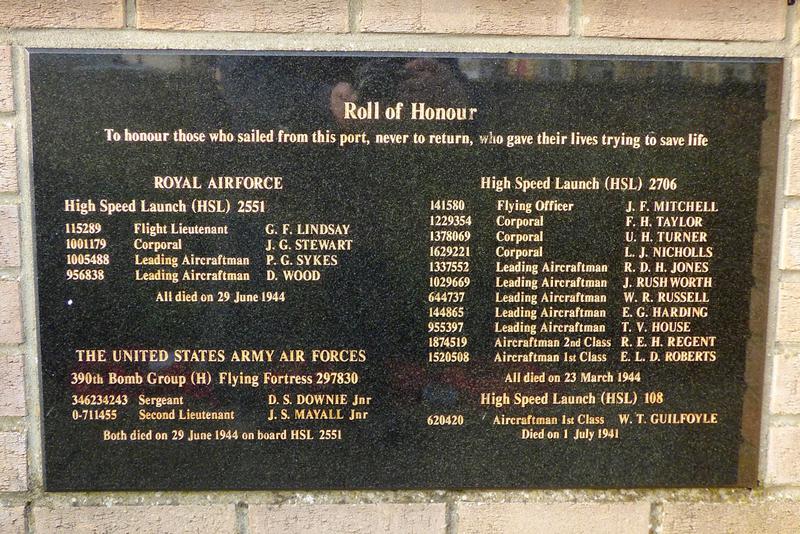
On the night of the 23rd March on the way to rescue a ditched aircraft, the crew of HSL 2706 were ‘Lost by United States Air Force action’.
The actual events of this are tragic and show the true incompetence of certain elements during the war. It appears that two P-47 Mustangs of the 356th Fighter Group based at Martlesham Heath were on their way home from patrolling about 30 miles off the Dutch coast when they spotted the closest of several ‘German E-Boats’, and decided to attack it. It was hit and sunk quickly so they returned home. In fact this was the HSL 2706 crew on their mission and who were nearing to the stricken aircrew. The other ‘E-Boats’ were actually other HSLs on their way to reach other downed aircrew.
The HSL crew apparently exchanged fire with the P-47s during the attack. The launch caught fire and exploded.
One of the two USAAF P-47 pilots involved was killed in a mid-air collision four months later.
Despite the fact the P-47s obviously mistook the HSL for an E-Boat, several other USAAF fighter and bomber crews saw the burning craft as they returned over the North Sea and reported it as an RAF HSL.
This incident has been researched and confirmed by the official Martlesham Heath USAAF Museum Curator and is an accepted version of events.
This incident cost the lives of eleven of the fourteen crew aboard the HSL. Of the remaining three, one died of his injuries shortly before reaching shore, one was invalided out of the forces and one survived uninjured.
The casualties names are:
F/O John Finlay MITCHELL (aged 30, Dartington) – Master,
Cpl Francis Hutchins TAYLOR (aged 38, Kettering) – Cox 1st class,
AC Edward Louis D’Esterre ROBERTS – Motor Boat Crew,
LAC Robert Desmond Heath JONES (aged 21, Bath) – Motor Boat Crew,
Cpl Leslie John NICHOLLS (aged 32, Lowestoft) – Wireless Operator Mechanic,
LAC William Roy RUSSELL (Ontario, Canada) – Wireless Operator,
AC Robert Edward Harry REGENT(aged 19, Norfolk) – Wireless Operator,
LAC Eric George HARDING (Highgate) – Fitter/Marine,
LAC Thomas Vince HOUSE (aged 27, Sunderland) – Nursing Orderly,
Cpl Urban Harold TURNER (aged 32, Harrow)(died ashore)
It is unknown whether the families of these men were ever informed as to the fates of their sons or husbands but Albert and Eliza, Jack’s parents were left grieving, with no real answers.
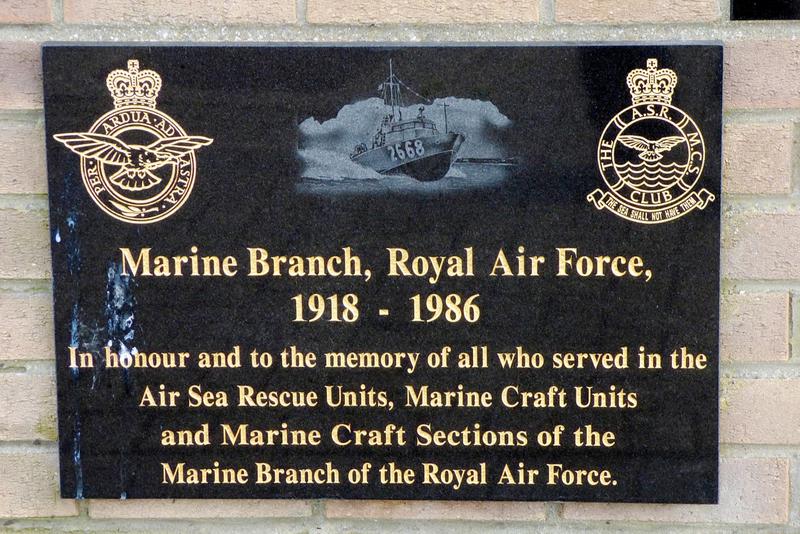
Two granite tablets placed side by side on a brick wall over looking the sea at Gorlestone-on-Sea Harbour commemorate the work of the Marine Craft Unit 1945-1958 and No. 24 Air Sea Rescue Unit 1940-1945. Royal Air Force Marine Base Gorleston.
During World War II this unit was the most successful Rescue Unit operating around the UK with over 700 lives of downed aircrew accredited to them. The number of lives saved by Air-Sea Rescue Services world wide was approximately 14,000 airmen, sailors, soldiers and civilians/ U.S. Army Air Force.
 Clayton Remembers