Lawrence Albert WILKINSON
29268, Private. b. 1896, Clayton d. Sun. 11th August 1918 (aged 22).
Lawrence was the son of Joseph and Alice Wilkinson of 2, Green Side, Clayton and was connected to the running of Clayton Baptist’s Sunday school. Lawrences father Joseph is shown aged 28 in 1901 working as a warp dresser in a cotton mill. In 1911 Lawrence is shown, aged 14 as ‘at school’, at a time when many young men of his age would have been sent to work in the mills. Lawrences parents obviously saw the benefit of education for their bright son.
In about 1914 Lawrence earned a scholarship to Headingley Training College at Beckett Park and was training to become a teacher. This was quite an achievement for the son of a Bradford mill worker.
At the conclusion of this course he received a distinction and was awarded an Associate in Arts Fellowship with the University of Oxford. A couple of months after graduation from Oxford in March 1916, Lawrence enlisted into the army and joined the 1st Battalion, Dorsetshire Regiment who were trying to regain a full complement again.
Lawence was present throughout many of the battles over the next eighteen months until he was finally killed in action during the final Allied ‘big push’ several weeks before the Armistice and end of the war.
Lawrence is remembered on the Vis-En-Artois Memorial, Pas De Calais, France.
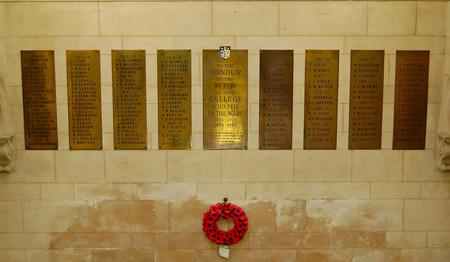
Lawrence is also remembered on the City of Leeds Training College Memorial situated in James Graham Building in what was is now Leeds Beckett University.
Read more about Lawrence in the Lives of the First World War : https://livesofthefirstworldwar.iwm.org.uk/lifestory/4757487
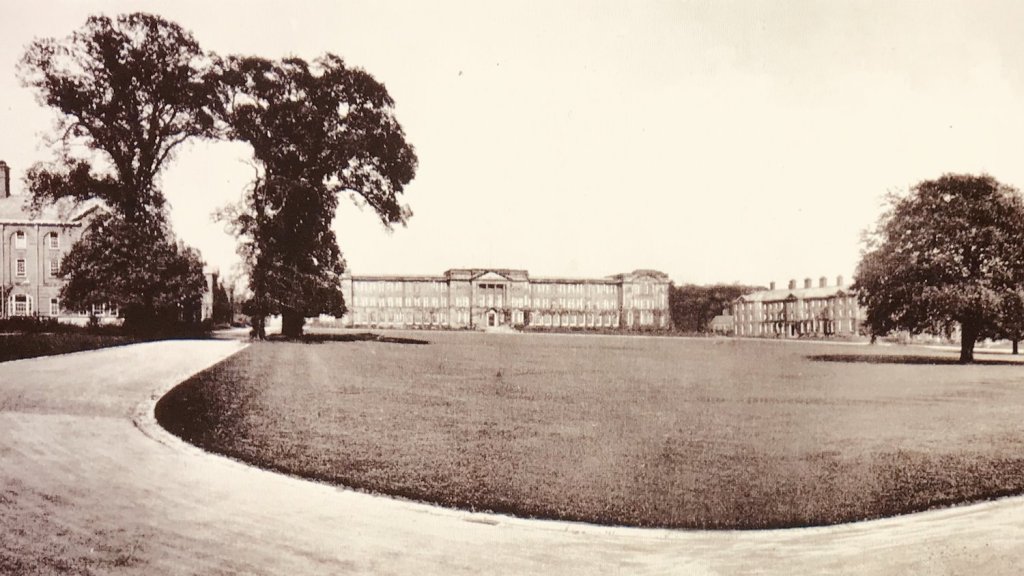
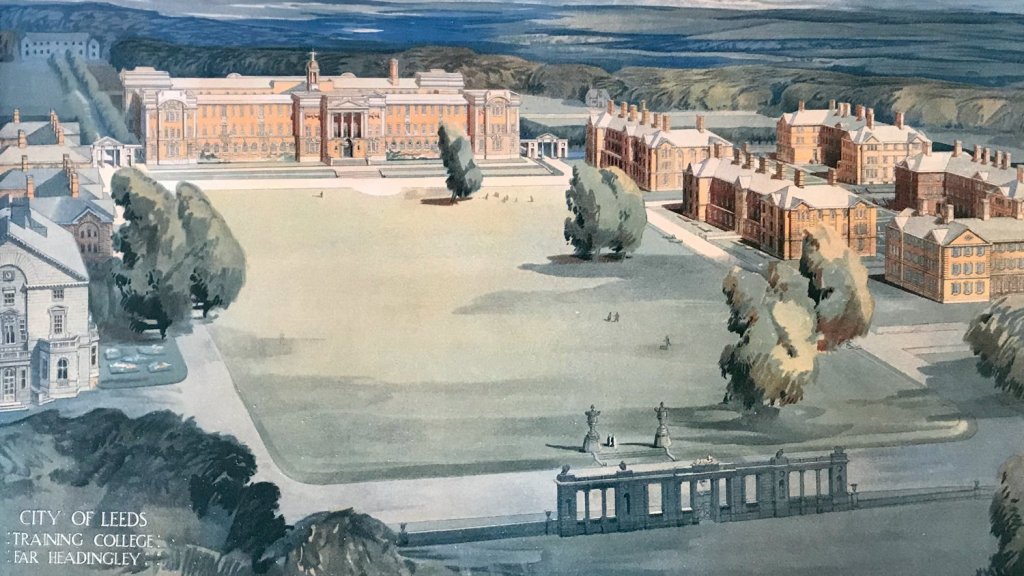
The training college at Headingley must have been a world away from the mill streets of Clayton. The newly opened college consisted of the main building at the head of a large open space, called The Acre and at either side accommodation buildings separated into mens and womens houses, with accommodation upstairs and dining and social spaces on the ground floors.
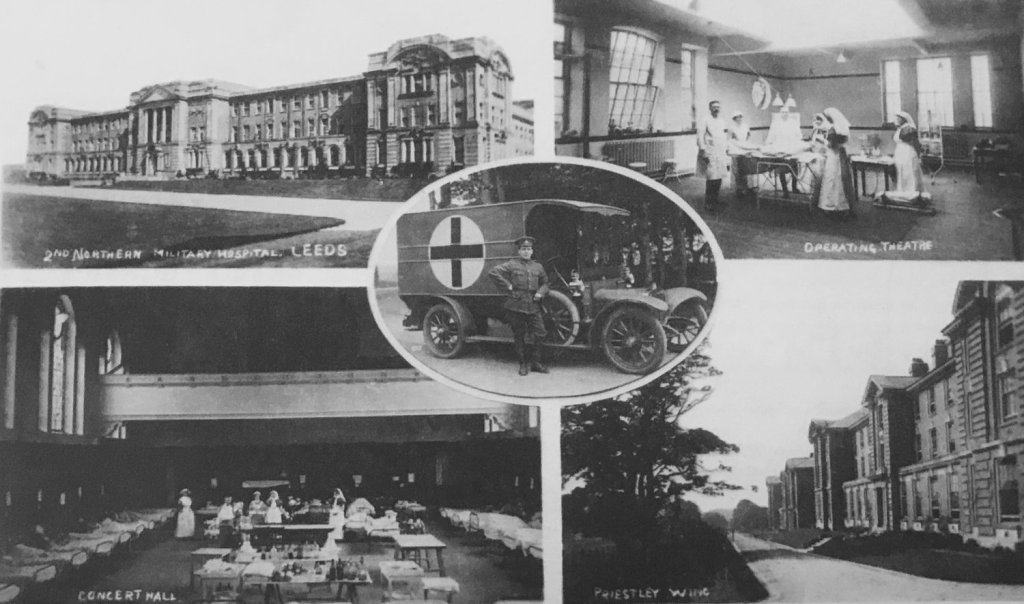
Shortly after Lawrence completed his course this new building was commandeered for use as an army hospital and the classrooms and lecture theatres were turned into wards and operating theatres.
 Clayton Remembers